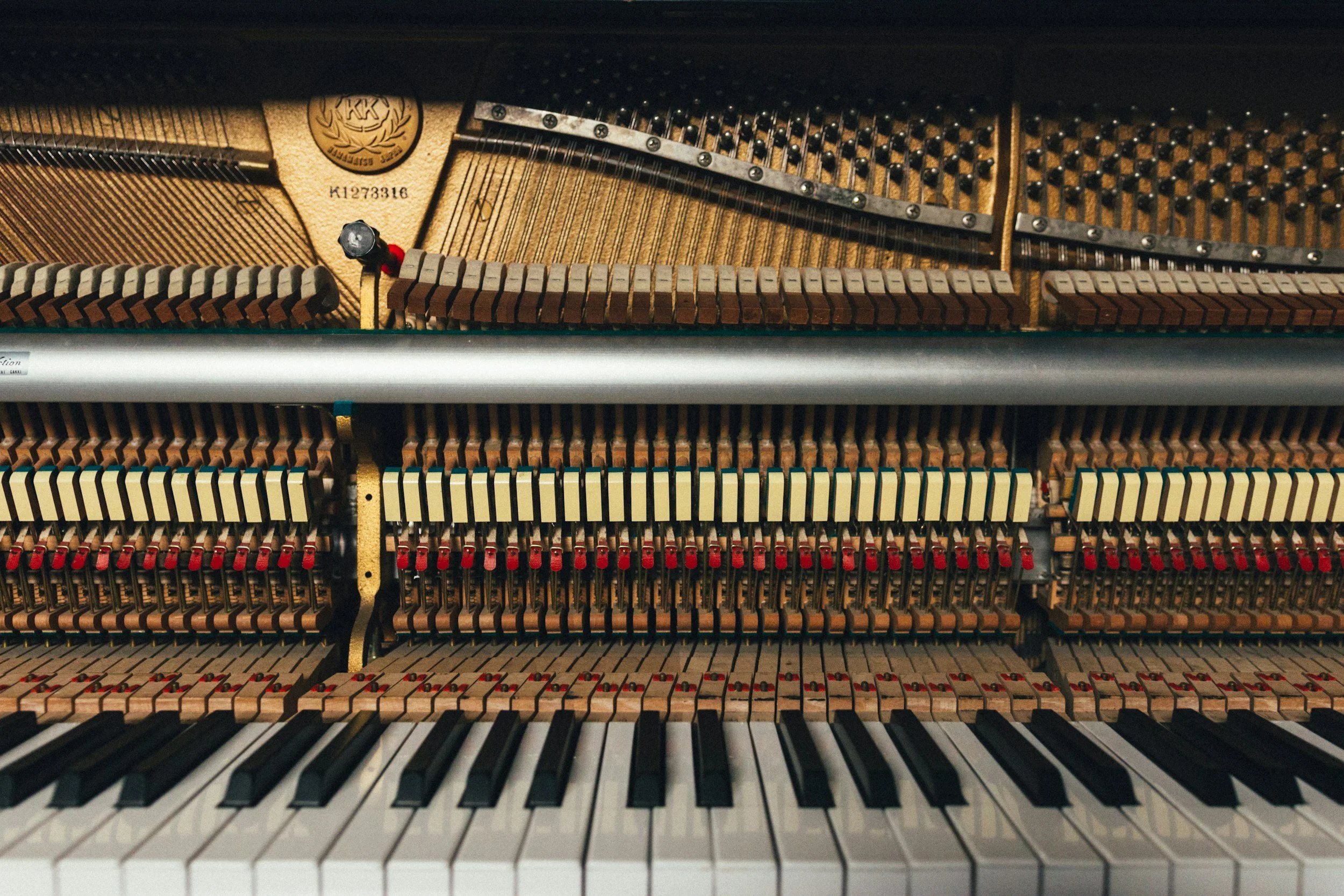
Piano Tips from a Technician
Practical, honest advice based on real experience servicing upright and grand pianos across Perth and Western Australia. Clear answers to common piano questions
-
The short answer is: usually once or twice a year — but the real answer depends on a few important factors.
As a professional piano technician, I see many pianos every week, and the condition varies a lot depending on climate, usage, and age. Let’s break it down simply.
-
A piano is under very high string tension — often over 18–20 tonnes. Over time, this tension naturally shifts, causing the piano to go out of tune.
Regular tuning helps:
Keep the piano sounding pleasant and balanced
Prevent long-term damage to strings and tuning pins
Maintain the value of your instrument
Make playing more enjoyable and inspiring
Skipping tuning for too long doesn’t just affect sound — it often leads to bigger and more expensive issues later on.
-
You don’t need perfect pitch to notice these signs:
Chords sound “wobbly” or unpleasant
The piano sounds dull or uneven
You notice it drifting out of tune quickly
You avoid playing because it doesn’t sound right
If you feel something is off, it usually is.
-
When a piano has been left untuned for many years, the string tension is significantly lower than standard pitch.
Raising the pitch to A440 in a single session places excessive stress on the strings, tuning pins, and structure, increasing the risk of string breakage and instability.For this reason, the pitch must be raised gradually over two or more sessions, allowing the instrument to safely adapt and stabilise at standard pitch.
-
This is very common — especially with older upright pianos.
If a piano hasn’t been tuned for several years, it may:
Be significantly flat in pitch
Require a pitch raise before fine tuning
Benefit from a full service rather than tuning alone
In these cases, a standard tuning may not be enough to get the best result.
-
Western Australia’s climate plays a big role in piano tuning stability.
Hot summers
Sudden temperature changes
Low humidity at certain times of the year
These conditions cause the wooden parts of the piano to expand and contract, which directly affects tuning stability. This is why pianos in Perth often need more consistent servicing than people expect.
Final Thoughts
For most pianos in Perth, annual tuning is the minimum, and twice a year is ideal for maintaining good sound and long-term health.
Regular tuning is not just maintenance — it’s part of caring for your instrument properly.